Middlefield winters hit fast and bite hard. A gas furnace that starts clean and tuned in October will carry a home through repeated freeze-thaw cycles, sleet, and those long cold snaps that ride the Coginchaug River valley. Skipping maintenance invites higher gas bills, surprise breakdowns, and safety risks that are easy to avoid. Direct Home Services specializes in gas furnace services that match the demands of Middlesex County homes, from Rockfall colonials to newer builds near Lake Beseck.
Routine care keeps heat steady, the house dry, and the air clean. It also protects the most expensive furnace parts from stress. In a typical Middlefield home, a furnace runs thousands of cycles between November and March. Small issues compound in that time. Technicians who catch them early save homeowners real money and prevent mid-season emergencies.
What annual maintenance actually does for a furnace
A proper tune-up does more than wipe dust off a panel. It restores safe combustion, reduces wear on moving parts, and verifies expert gas furnace services that venting and controls respond exactly as they should. On high-efficiency condensing furnaces, it also keeps condensate draining and the secondary heat exchanger clean, which preserves AFUE performance. The result is steady heat across rooms, quieter operation, and a lower chance of a late-night call during a storm.
Direct Home Services performs a 21-point safety and performance inspection on every visit. The technician inspects the heat exchanger for hairline fractures, tests the limit switch, confirms inducer motor amperage, and cleans the flame sensor to prevent ignition lockout. On many calls, a dirty flame sensor sits at the center of intermittent starts. Ten minutes of careful cleaning can eliminate weeks of unreliable heat.
Most Middlefield homes see real savings after maintenance. A clogged MERV 11 or 13 filter and a dust-caked blower wheel can push blower motor amperage 10 to 20 percent higher than normal. That extra draw translates into noticeable utility increases across the season. Cleaning the blower assembly, setting correct gas pressure, and dialing in combustion air stabilizes fuel use, which matters on a long January run.
Gas furnace services that fit Middlefield and Rockfall
Local conditions shape the work. In the 06455 and 06481 areas, temperature swings stress components that start and stop many times a day. Draft inducer motors, ignitors, and pressure switches tend to fail in clusters once the first frost hits. Homes near Powder Ridge often have longer vent runs that need close inspection for slope and icing. Older Rockfall homes need a careful review of vent pipe clearances through unconditioned spaces.
Direct Home Services provides:
- Gas furnace repair for short cycling, ignitor malfunction, blower motor failure, and uneven heating. Annual tune-ups and HVAC maintenance calibrated for Middlesex County winters. Furnace installation and heating system replacement with high-efficiency condensing models. Emergency heating service with 24/7 dispatch during storms and deep freezes. Energy audit guidance that ties furnace performance to insulation, duct sealing, and thermostat strategy.
These gas furnace services support both natural gas and propane systems. Many homes off the main gas line in Baileyville and Jackson Hill run LP furnaces with outdoor tanks. Propane delivery schedules and regulator performance affect ignition and flame stability, so technicians check manifold pressure and verify clean burner assembly operation on every call.
Warning signs Middlefield homeowners should never ignore
A furnace speaks through sounds, cycles, and flame color. Certain signals mean a service visit should happen soon. Frequent on-off cycling often points to a clogged filter, a failing limit switch, or an oversized furnace short cycling in milder shoulder-season weather. A metallic banging at start-up can suggest a failing draft inducer motor or delayed ignition in the burner assembly. A yellow or flickering pilot flame indicates poor combustion and a potential carbon monoxide risk, especially if paired with soot marks at the burner or vent hood.
Uneven heating across rooms in a Reeds Gap cape, for example, can trace back to a struggling blower fan or static pressure problems in older ductwork. If a homeowner near Lyman Orchards reports warm supply air but long delays before rooms heat, a weak blower capacitor or a dirty evaporator coil on a hybrid system may be the culprit. The fix varies by home, which is why a full system check beats a quick part swap.
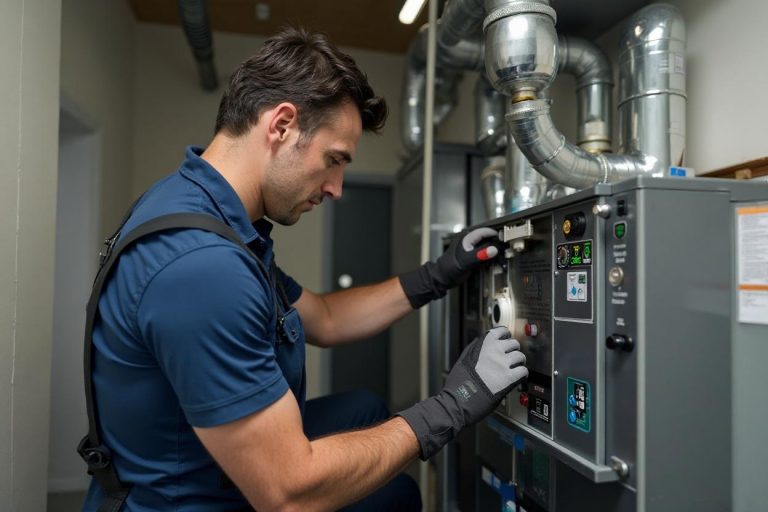
The parts that decide comfort and safety
Certain components carry outsized responsibility. The heat exchanger protects indoor air from combustion gases. Any crack, even a hairline fracture, can allow carbon monoxide into the supply air. Technicians use mirrors, borescopes, and combustion analysis to verify integrity. The draft inducer motor sets the stage for safe ignition by establishing a controlled draft through the heat exchanger. A failing inducer creates ignition delays, erratic pressure switch readings, and that sharp metallic sound some homeowners describe on cold starts.
The flame sensor monitors flame presence and prevents raw gas from flowing without ignition. A dirty sensor creates repeated ignition attempts and lockouts that leave a household without heat at inconvenient times. The gas valve and thermocouple or hot surface ignitor manage fuel delivery and spark or glow. Replacing an ignitor before it fails is cheap insurance in December. The limit switch protects against overheating due to blocked airflow, which happens often with clogged filters or collapsed return ducts.
Technicians also look at the blower fan bearings, wheel balance, and voltage to the motor. A wheel packed with dust reduces airflow and noise rises with imbalance. On high-efficiency condensing furnaces, the condensate trap and drain line must stay clear. Iced or clogged drains will trip pressure switches and shut the unit down right when the house needs heat most.
Furnace types common in Middlesex County
Homes around Middlefield run a mix of natural gas and propane units, split between single-stage, two-stage, and modulating furnaces. A single-stage furnace runs at one speed. It works, but it tends to overshoot on mild days and short cycle. Two-stage furnaces run a low and high fire, which smooths comfort and reduces starts. Modulating furnaces fine-tune output in small increments and pair well with tighter homes near Lake Beseck that benefit from steady, low airflow heating.
High-efficiency condensing furnaces at 90 percent AFUE and above use a secondary heat exchanger to pull more heat from exhaust. They need proper PVC venting, correct pitch, and attention to freeze risks at the termination. Maintenance includes checking for acidic condensate leaks that can corrode metal and sensors. For homeowners close to the Coginchaug River where humidity rises, a condensing furnace shines when serviced yearly.
Local expertise: neighborhoods, response times, and the seasonality factor
Direct Home Services is minutes from Powder Ridge Mountain Park & Resort and Lyman Orchards, which keeps response times tight across the Coginchaug Valley. The team serves the residential communities around Lake Beseck, Jackson Hill, Baileyville, and Reeds Gap, providing priority repairs for homeowners throughout Middlefield and Rockfall in the 06455 zip code. Neighboring calls in Durham, Middletown, Meriden, Wallingford, and Higganum are common during cold snaps when demand spikes.
Seasonality matters. The first frost week often exposes weak ignitors that worked fine in October. The deep January cold challenges draft systems and thermostat batteries that struggled along in fall. Technicians carry common failure parts for Rheem, Bryant, Goodman, York, and Trane to keep most calls to a single visit. On older systems, they stock universal ignitors and pressure switches that meet manufacturer specs to avoid repeat failures.
Precision maintenance that prevents breakdowns
A disciplined checklist keeps the furnace safe and efficient. The technician measures temperature rise across the heat exchanger and compares it to the nameplate range. If the rise exceeds the limit, airflow is restricted or gas input is too high. Adjustments might include a blower speed change or a gas pressure tweak. Combustion analysis verifies oxygen, carbon monoxide, and CO2 levels. On sealed combustion units, the tech confirms intact gaskets and a clean intake screen.
Inducer motors get a current draw check. Bearings and wheel cleanliness matter here. Pressure switch tubing is inspected for moisture, cracks, or debris. The flame sensor is removed and cleaned. The burner assembly is brushed and vacuumed to reduce flashback and rust scale. The gas valve operation is tested through several cycles to watch for delayed opening or sticking.
On variable-speed blowers, control board error history can reveal intermittent faults from last season. Technicians clear codes, then stress test the system by forcing a few staged runs to confirm stable readings. If the thermostat is older or miscalibrated, a swap to a modern programmable or smart stat can cut unnecessary cycling, especially in Middletown commuters’ homes that sit empty for long stretches during the day.
Repair or replace: making the call with numbers, not guesses
A repair makes sense when the furnace is under 12 years old, the heat exchanger is sound, and parts are available at reasonable cost. A cracked heat exchanger or a history of inducer and control board failures often points to replacement, especially if the unit is 15 to 20 years old. Fuel costs and comfort expectations push many Middlefield homeowners toward high-efficiency condensing furnaces with two-stage or modulating burners. On a typical 1,800-square-foot colonial, the shift from an 80 percent AFUE single-stage to a 96 percent AFUE two-stage can trim gas use by 10 to 20 percent across a season, depending on insulation and duct condition.
Direct Home Services installs Energy Star rated systems from Carrier, Trane, Lennox, American Standard, Rheem, Bryant, and Goodman. For premium comfort and quiet, many choose the Carrier Infinity series with modulating burners and advanced communications thermostats. On hybrid or dual fuel setups that pair a heat pump with a gas furnace, Mitsubishi and other inverter-based heat pumps handle shoulder seasons, then hand off to gas heat when temperatures fall. This approach works well near Lake Beseck where fall and spring swings are common.
Brands, parts, and local code compliance
Brand differences matter less than proper sizing, duct static pressure, and combustion setup. Still, familiarity helps. The team services Goodman, Bryant, York, Rheem, Carrier, Trane, Lennox, and American Standard daily. Each has quirks. Some Rheem controls throw soft lockouts while the system still heats, hiding a small ignition issue that will worsen in colder weather. Certain Goodman models need extra attention to condensate traps. Early-generation modulating furnaces from multiple brands benefit from updated control firmware. An experienced tech knows these patterns and checks them before they fail.
Every installation and major repair is handled by CT S-1 licensed professionals. NATE certified technicians follow manufacturer specifications and local mechanical codes for vent sizing, clearances, gas piping, and condensate disposal. Homes near the Durham line with long horizontal PVC runs often need precise vent pitch to avoid freeze-ups. Middlefield inspections look for outside terminations away from snow drift paths and for CO detector placement as required.
Safety first: combustion and carbon monoxide
Combustion safety is non-negotiable. A yellow pilot or main flame, any trace of soot, or a furnace room with a lingering gas odor means the system needs immediate attention. Technicians measure ambient CO and check draft over the heat exchanger. If a cracked heat exchanger is suspected, the system is shut down and documented. Replacement options are reviewed on-site, and temporary heat solutions can be arranged during freezing nights.
Homeowners should test CO detectors monthly and replace units according to manufacturer timelines, often every five to seven years. For families spending weekends at Powder Ridge, an internet-connected thermostat can alert to temperature drops that indicate a furnace failure, reducing the risk of frozen pipes.
Simple homeowner habits that make a big difference
Day-to-day care reduces breakdowns. Filters matter more than most people think. A MERV 11 or 13 filter protects lungs and equipment, but it loads faster with dust. In a home near Wadsworth Falls State Park where doors open often for pets, plan to check the filter monthly during winter. Keep supply registers and returns unblocked by furniture. A couch pushed against a return can add enough static pressure to trip the limit switch on long runs.
Set thermostats for steady comfort. Large swings cause more cycling and wear. For two-story homes in Jackson Hill, a small fan set to circulate can help even temperatures between floors without driving the furnace harder. If rooms still show cold spots, ask about duct balancing or zoning during the maintenance visit.
The economics of maintenance in Middlesex County
The cost of one emergency call on a blizzard night can exceed several years of scheduled tune-ups. Filters, a cleaned flame sensor, and a checked inducer motor prevent most no-heat events. Gas savings accumulate quietly. On average, a tuned system uses 5 to 12 percent less fuel over the season compared with a neglected unit. In a winter with 5,000 to 6,000 heating degree days, that difference shows on every bill.
Financing options on replacements make a high-efficiency upgrade feasible when an old unit fails. Energy Star certified furnaces often qualify for incentives. Combined with lower gas use, the monthly total compares well to holding onto a failing system that throws parts at recurring problems. A clear estimate and side-by-side numbers help homeowners decide with confidence.
Middlefield service radius and response promise
Located just down the road from Lyman Orchards, Direct Home Services provides rapid response throughout the Coginchaug Valley. The team runs dedicated trucks across Middlefield and Rockfall, with quick reach to Durham, Middletown, Meriden, Wallingford, and Higganum. During a Connecticut blizzard, 24/7 emergency dispatch keeps phones staffed and parts moving. Calls from 06455 often see same-day repairs, especially for no-heat situations and carbon monoxide risks.
What a visit looks like: a quick timeline
A call comes in from a homeowner near Levi E. Coe Library reporting frequent cycling and a faint clicking sound. The dispatcher schedules a same-day window. The technician arrives, verifies thermostat operation, checks the air filter, and observes startup. Ignition attempts repeat twice, then lockout. The flame sensor reads weak. A cleaning restores stable microamp readings. The draft inducer motor draws slightly high amperage and has a rough tone on spin-down. The tech notes that the motor will likely fail in the next cold snap and offers replacement today while the system is open. The homeowner approves. The motor is replaced, a combustion analysis is performed, and the visit ends with a documented checklist and a clean, quiet start. No late-night calls needed.
System choices for new installs
When replacement makes sense, the conversation centers on size, stages, and venting. A load calculation avoids oversizing that causes short cycling in our variable New England climate. Many Middlefield homes benefit from two-stage or modulating furnaces that run long, low cycles for even heat. Carrier Infinity condensing furnaces remain a local favorite for efficiency and quiet. Lennox and Trane offer strong options with variable-speed ECM blowers that pair well with high MERV filtration and whole-home humidification.
Flue routing is planned to avoid drift zones and ice dams. Condensate lines are heat-traced or routed to conditioned space when needed. Thermostat selection considers schedule and remote monitoring, useful for homeowners who travel or split time between homes. The install wraps with code inspections and a walkthrough on filter changes and system operation.
Middlefield Heating FAQ
- Does a yellow flame mean danger? Yes. A healthy natural gas flame burns blue with a steady shape. Yellow or flickering flames signal poor combustion and a carbon monoxide risk. Shut the system down and call for service. Why does the furnace keep turning on and off? Short cycling often points to a clogged filter, an oversized furnace in mild weather, or a faulty limit switch. It wastes fuel and wears parts. A checkup will confirm the cause. How often should filters be changed? In winter, inspect monthly. Replace every one to three months depending on dust, pets, and filter MERV rating. High MERV filters protect better but load faster. What brands do you service and install? Technicians maintain and repair Rheem, Bryant, Goodman, York, Trane, Lennox, American Standard, and Carrier. For new installs, Energy Star certified models are available across these brands, including Carrier Infinity systems. Are you licensed and insured? Yes. All work is performed by CT S-1 licensed, NATE certified technicians. The company is BBB accredited, and installations meet or exceed local code.
The offer for Middlefield homeowners
Schedule a $99 Seasonal Furnace Safety Inspection to prepare for the first frost. The visit includes a full 21-point check, heat exchanger screening, flame sensor cleaning, inducer motor testing, and combustion analysis. If issues surface, options are explained in plain terms with clear pricing. For replacements, request a free estimate on an Energy Star certified gas furnace and ask about flexible financing for Middlefield addresses in 06455 and nearby 06481.
Why Direct Home Services
Local presence matters in winter. The team knows the homes near Powder Ridge, the lake winds by Lake Beseck, and the way draft can reverse in a basement on a windy night. Trucks carry the parts that most Middlefield repairs need, from hot surface ignitors and limit switches to draft inducers and control boards. Work is done by licensed, NATE certified technicians who measure before they decide. That leads to fewer callbacks and systems that stay steady through long cold spells.
For homeowners, the benefits are direct: safer combustion, lower gas bills, quieter operation, and fewer surprises. Regular maintenance keeps the furnace ready. Smart repairs extend useful life. When replacement makes sense, high-efficiency installations deliver comfort without drama. That is the promise behind every service call in Middlefield, CT.
Ready to get the furnace squared away before the next cold front over the Coginchaug River? Book gas furnace services today and keep the house warm, efficient, and safe all season.
Direct Home Services provides HVAC repair, replacement, and installation in Durham, CT. Our team serves homeowners across Hartford, Tolland, New Haven, and Middlesex counties with energy-efficient heating and cooling systems. We focus on reliable furnace service, air conditioning upgrades, and full HVAC replacements that improve comfort and lower energy use. As local specialists, we deliver dependable results and clear communication on every project. If you are searching for HVAC services near me in Durham or surrounding Connecticut towns, Direct Home Services is ready to help.
Direct Home Services
57 Ozick Dr Suite I
Durham,
CT
06422,
US
Phone: (860) 339-6001
Website: https://directhomecanhelp.com/
Social Media: Facebook | Instagram
Map: Google Maps